Pick Your Pattaya Breakfast Rhythm: Three Patterns That Fit Real Mornings
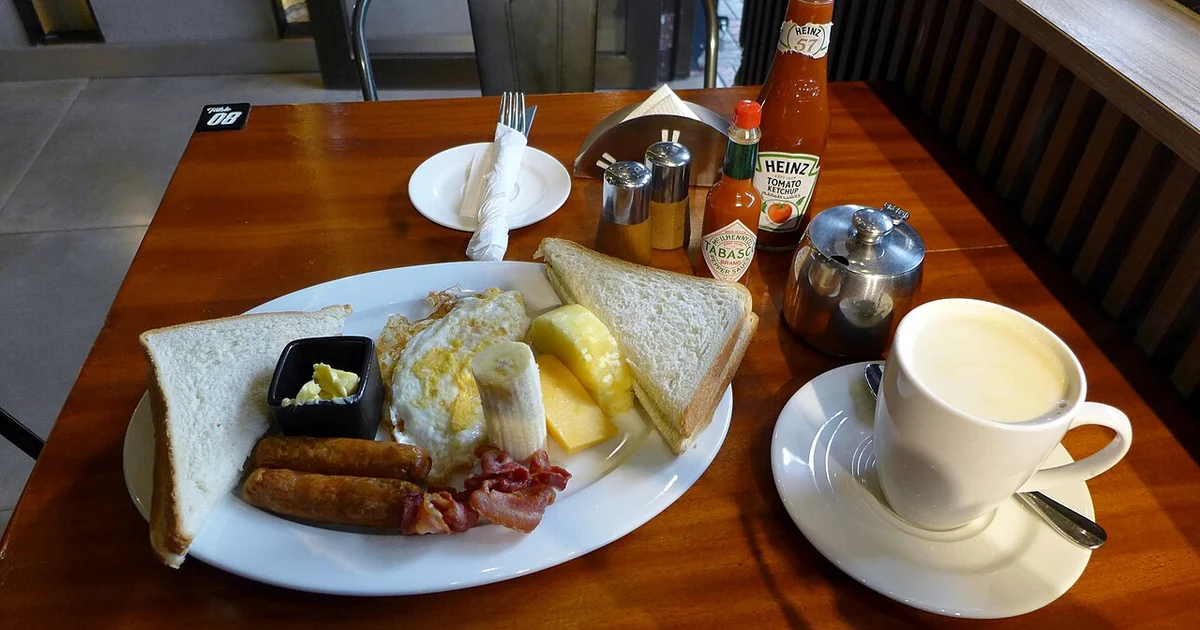
Most people who move to Pattaya for a few months, or who spend winters there with family, discover the same problem within the first week. The heat arrives early, the schedule is looser than what they left behind, and the idea of cooking breakfast in a small kitchen feels like one chore too many. The solution is rarely a single perfect meal. It is a rhythm: a pattern you can repeat without thinking. This article looks at three common breakfast rhythms that suit long-stay visitors, retirees, families and remote workers, and offers a set of questions to help you choose among them. It is general guidance about planning, not a recommendation of any particular provider, and it avoids assumptions about services you should expect unless those services are clearly stated.
Why a rhythm beats a one-off decision
A breakfast decision made fresh every morning costs more mental energy than most people expect. You check what is in the fridge, weigh the heat against the walk to a café, and sometimes skip the meal entirely. Over a stay of several weeks, that friction adds up, and skipped breakfasts often turn into poor lunches.
A rhythm removes the daily choice. It might be a fixed meal on fixed days, a standing order you reserve in advance, or a weekly cycle that alternates between cooking and buying. The goal is predictability: you know roughly what your morning will look like, so the day starts without negotiation.
Three rhythms that suit Pattaya mornings
The first rhythm is the fixed weekday meal. You choose one breakfast and have it most mornings, perhaps with a single change on weekends. This suits people with predictable routines, such as remote workers who start calls early. Its strength is low planning load. Its weakness is monotony, which some people only notice after a month.
The second rhythm is the mixed week. Two or three mornings are for a reserved, filling meal, and the rest are for lighter options or a walk to a favourite place. This suits retirees and families who like variety but do not want to decide every day. It requires a short weekly planning session, perhaps ten minutes on the weekend, to mark which mornings are reserved.
The third rhythm is the planned block. You commit to a set number of breakfasts over a defined period, often paid in advance, and treat the block as a project to manage. This suits long-stay visitors who know their dates in advance. It requires more upfront thought about how many meals you will actually want and how your plans might change.
Questions to ask before you commit
Whichever rhythm you consider, a few questions protect you from surprises. The first is about timing: when must an order be placed? Some delivered-breakfast arrangements require reservations before the delivery day rather than on the morning itself, so you should confirm the lead time and plan around it. Ask whether same-day requests are possible, and if not, build that into your weekly routine.
The second question concerns total cost. The meal price is only part of the picture. Delivery is often charged separately, and the amount can vary with distance and courier rates. Ask how delivery is priced and whether it is confirmed per order, so your budget reflects the real cost of each breakfast rather than the menu price alone.
The third question concerns prepaid arrangements. If you are considering a block of meals paid in advance, ask how validity periods work, whether you can pause, and what happens to unused meals. Terms like these should be agreed explicitly before payment rather than assumed. Do not rely on your memory of a conversation; ask for the terms in writing in whatever channel the provider uses.
The fourth question is how bookings are confirmed. If reservations are made by messaging rather than through an online checkout, ask who confirms them and how you will know your order is accepted. A short written confirmation is a sensible habit for any arrangement involving advance payment.
A practical checklist for choosing your rhythm
Start by counting your fixed commitments. Note the mornings you know you will be busy, the days you want to walk or swim early, and the days you would welcome a meal made for you. This tells you how many reserved breakfasts actually fit your week.
Next, estimate your full weekly cost: meal price multiplied by the number of reserved mornings, plus delivery for each one. Compare that figure against the price of cooking at home or buying breakfast in person. Include the value of your time, but keep the arithmetic honest.
Then decide your planning horizon. If you prefer to decide a week at a time, choose the mixed-week rhythm. If your dates are fixed and you like certainty, the planned block may suit you better. If your schedule is unpredictable, the fixed weekday meal with flexible reservations keeps the decision simple.
Finally, run a one-week test. Reserve your breakfasts for seven days, note any friction in the process, and adjust. A week of real use tells you more than any description, and it lets you change course before committing to a longer arrangement.
Keeping the routine easy to maintain
A good breakfast rhythm should feel like less work, not more. Once you settle on a pattern, write it down in the notes on your phone, including the lead time for reservations and the contact channel you use. Keeping this information in one place means you will not scramble on a morning when you forgot to book.
Review the rhythm every few weeks. Your energy, your schedule and the weather in Pattaya all shift over a stay, particularly in the hot season. A rhythm that worked in cooler months may need a lighter option when temperatures climb. Small adjustments keep the routine sustainable, and sustainable routines are the ones that actually lead to a good breakfast every day.