Building a Protein-Rich Breakfast Without Cooking in Pattaya
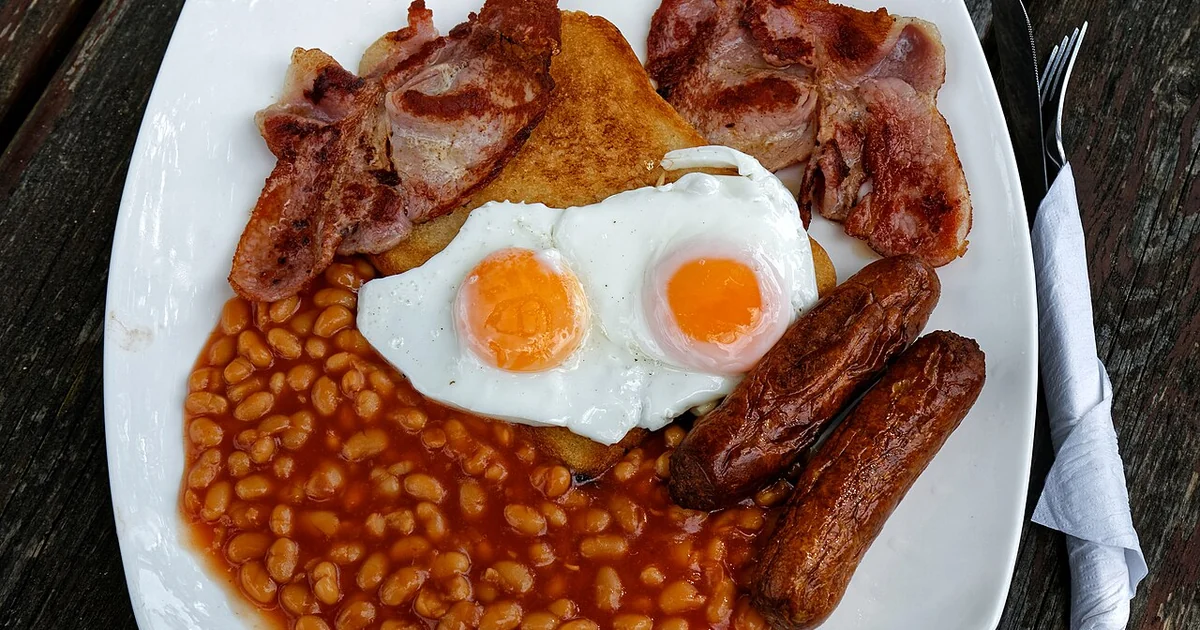
A breakfast that keeps you full until lunch usually depends on protein, fiber and a sensible portion of carbohydrate. For many people in Pattaya, whether on a long stay, retired, traveling with children or working remotely, the challenge is not knowing what to eat but finding the time, equipment and energy to prepare it. This guide explains how to think about a protein-filled morning meal, what to look for in a delivered option, and which questions help you choose a service that fits your routine.
Why protein keeps mornings satisfying
Protein digests more slowly than refined carbohydrate and tends to make people feel fuller for longer. A breakfast built only around toast, sugary cereal or fruit juice often leads to hunger within a couple of hours, which can push people toward snacking on whatever is nearby. A balanced plate usually combines a protein source, a complex carbohydrate, some vegetables or fruit and a moderate amount of fat.
Eggs are the most familiar protein base. Two eggs supply a substantial amount of protein along with fat and micronutrients. Pork sausage, chicken, beans and cooked rice add protein or bulk depending on the portion. Protein needs vary by age, body size, activity level and health conditions, so if you have a specific dietary requirement, a qualified health professional is the right person to advise you. This article describes general patterns rather than personal targets.
Mixing a plate that feels complete
A satisfying plate usually has three layers. The first is a main protein such as eggs or sausage. The second is a starch that gives energy, such as rice, potatoes or bread. The third is color and freshness, such as cucumber, tomato, beans or fruit. Coffee or tea completes the picture for many people, though how much caffeine you consume is a personal choice.
When you compare options, look at whether these three layers are present rather than focusing on a single item. A plate with eggs, potatoes and fruit can be just as filling as a heavier plate if the proportions are reasonable. Ask yourself whether a meal would still satisfy you after a long walk or a morning of work, because that is the real test of fullness.
Checklist for choosing a delivered breakfast
Delivery breakfast removes the cooking, but it introduces a few practical questions. Before committing, consider the following points. First, confirm exactly what the meal contains, including the number of eggs, the type of bread and whether rice or potatoes are included. Second, establish the total cost, since delivery is often charged separately from the meal price and can vary with distance and courier rates. Third, understand the ordering window. Some services require reservations before the delivery day rather than accepting same-day orders, so plan ahead.
Fourth, check how you reserve and pay. Some arrangements are confirmed by direct message with a named contact, while others use an online checkout. Knowing which applies helps you avoid surprises. Fifth, ask about prepaid plans. A bundle of meals can lower the per-meal price, but you should understand the validity period, whether you can pause deliveries, and how refunds work before you pay. Write these terms down or request them in writing so you can refer back to them.
Comparing a single meal with a prepaid plan
A single meal gives flexibility. You can try a dish, skip a morning when you travel, or change your routine without any commitment. A prepaid plan usually makes sense when you know you will eat breakfast regularly across a set period. Calculate the per-meal cost of the plan and compare it with the regular price, then add any delivery charges, since those may apply to each order regardless of plan.
A simple way to decide is to ask three questions. How many breakfasts will I realistically order in the coming weeks? What happens if my plans change? And am I comfortable with the terms agreed before payment? If the answers point to a stable routine, a plan may be efficient. If your schedule is uncertain, paying per meal may be the calmer choice.
Keeping the routine practical
A good breakfast routine is one you can repeat. Choose two or three meals you enjoy, rotate them so you do not tire of the same plate, and set a consistent delivery day or time window that works with your schedule. Because reservations must be made before the delivery day, build a habit of placing orders in advance, perhaps on the same evening each week.
Finally, review your routine every month or so. Notice whether you feel full, whether the portion sizes suit you and whether the cost still fits your budget. Small adjustments, such as adding fruit for more fiber or asking for a different starch, can make a noticeable difference without changing the overall structure of your morning.